Salt, Scrape and Civic Memory: The Grit Bin as a Winter Register
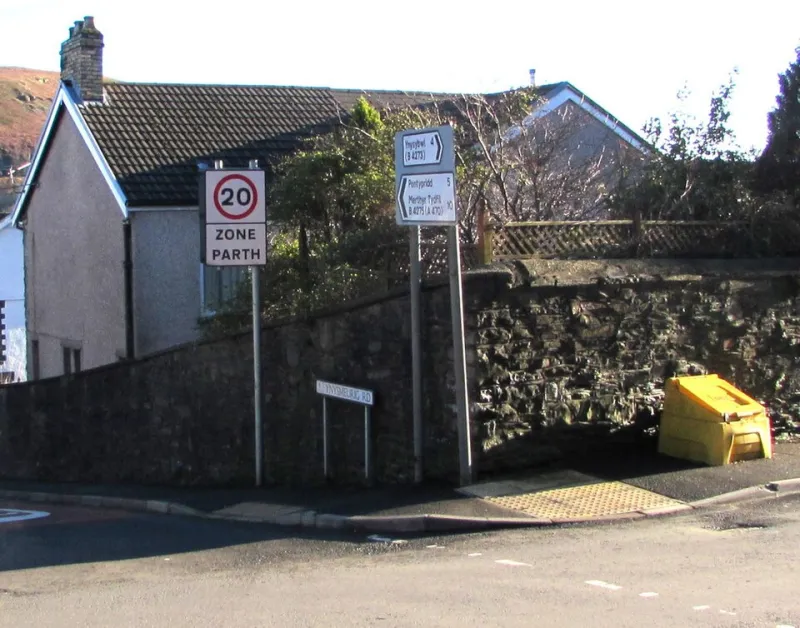
Photo: Jaggery , CC BY-SA 2.0, via Wikimedia Commons
The Bin on the Corner
By late November 2026, the grit bin on the corner has begun its winter work. It is a yellow-green plastic container, waist-high, with a hinged lid and a faded sticker advising users to take only what they need. It sits where the pavement widens, beside a lamp post and a drain that has been cleared, half-heartedly, by someone with a hoe. It is not beautiful. It is not meant to be. It is a piece of municipal furniture, and like most municipal furniture it is noticed only when it fails.
The grit bin is also an archive. It records, in salt and scrape marks, the winter life of a street. It records the council's gritting schedules and the neighbour's shovel. It records the morning after a frost, the afternoon of a thaw, the week when nobody could get out. To read the bin is to read a seasonal civic register, written in a material that dissolves.
Fill Levels and Council Schedules
Local authorities publish gritting routes. They prioritise main roads, bus routes, steep hills and access to hospitals. The street where the bin stands is unlikely to be on a primary route. It is a residential street, the kind that is gritted when there is time and salt when there is not. The bin is therefore a supplement, a community asset rather than a statutory guarantee.
The fill level is a crude gauge of attention. When the bin is full in early December, it suggests that the parish council or the authority's contractor has been round. When it is half-empty after a cold snap, it suggests use. When it is empty for days, it suggests a gap between official service and need. The bin does not explain the gap. It simply holds it. A full bin is a small reassurance. An empty one is a small rebuke.
In 2026, local government budgets remain under pressure. This is not a party political point; it is a practical one. The bin is a modest item of public expenditure, but it is also a test of how far the state can reach into the ordinary street. The answer is: not always far enough, and not always quickly enough. The bin is where that answer becomes visible.
Scrape Marks and the Archaeology of a Pavement
The pavement around the bin carries marks. There is the scrape of a shovel, a pale line where the edge has caught the concrete. There is the white bloom of salt, washed into the gutter. There are dark patches where snow has melted and refrozen. There are footprints, tyre tracks, the small indentation of a walking stick.
These marks are an archaeology of care. Some are made by the council's gang, who arrive with a lorry and a shovel and leave a neat pile. Some are made by a neighbour with a coal shovel, working early because they know the bin will be empty by eight. Some are made by a child helping, badly, with a plastic spade. The marks do not distinguish between official and unofficial labour. They record only that someone tried.
This is the bin's quiet lesson. Winter care is not only a service delivered. It is a practice performed. The scrape marks are the evidence of that practice, and they are erased by the next thaw. The bin is therefore a record that must be read in real time, before the weather changes its mind.
Neighbourly Refilling
Occasionally, the bin is refilled by someone who does not work for the council. A neighbour with a van brings a bag of salt from a builders' merchant. A farmer fills it from a trailer. A resident who has watched the bin empty for a week buys a sack and tips it in, without fuss, without a plaque. This is not official. It is a small act of civic maintenance, and it is more common than the official record suggests.
The unspoken responsibilities of a street are often like this. Who refills the grit bin? Who clears the drain? Who salts the step of the elderly neighbour? Who checks that the lamp post is working? These are not questions that appear on a council form. They are answered by habit, by conscience, by the knowledge that the alternative is worse. The grit bin becomes a test of the boundary between public service and private citizenship. It is a boundary that shifts with the weather.
The Limits of the Record
The grit bin is not a reliable archive. It cannot tell us who slipped, who stayed home, who could not afford to heat their house, who waited for a bus that never came. It records salt, not vulnerability. It records the presence of grit, not the absence of care. It is a humble object, and it should not be asked to carry more meaning than it can bear.
Yet it does carry meaning. It carries the meaning of a street that is prepared, or not prepared. It carries the meaning of a council that has prioritised, or not prioritised. It carries the meaning of neighbours who have noticed, or not noticed. The bin is a small civic institution, and like all institutions it is judged by what it does when the weather turns.
A Winter Register
By late November 2026, the bin on the corner is waiting. It is full, or nearly full. The lid is closed. The pavement is cold. The first frost has been forecast for the weekend. Soon someone will come with a shovel, or a sack, or a lorry. The bin will be used, and the record will begin again.
To read the grit bin is to read a street's winter memory. It is not a grand archive. It is not a document that will be catalogued. But it is a register of care, written in salt and scrape marks, and it deserves more attention than we usually give it. The bin is a small thing. The question it asks is not.