Ladislaus Lob Notes from a life, kept in the archive.

Ladislaus Lob

Notes from a life, kept in the archive.

Latest Articles

Sticky Evidence: The Silent Chronicles of a Preserving Shelf
Archive Practice

Sticky Evidence: The Silent Chronicles of a Preserving Shelf

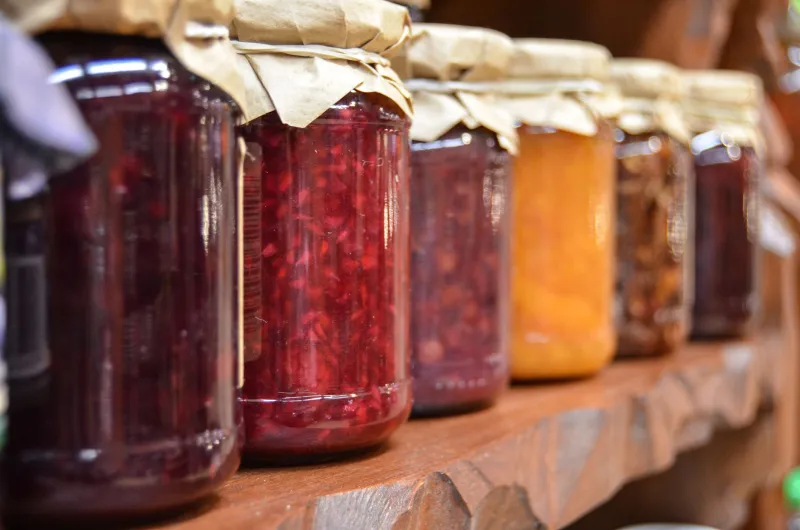
A row of labelled jars is rarely just a store-cupboard inventory. Read closely, handwritten preserve labels record seasons, sources, surpluses and the small obligations of neighbourly exchange—and, just as tellingly, the things they leave unspoken.


The Bell Plate as Ledger: Threshold Labels and the Street’s Unwritten Register
Archive Practice

The Bell Plate as Ledger: Threshold Labels and the Street’s Unwritten Register

A doorbell label is a modest thing — a strip of tape, a laminated card, a name in fading biro — yet it records changes that formal lists often miss. Reading one doorway closely shows how a street keeps its own register of arrivals, departures and quiet acts of care.

The Tin Beside the Sewing Box: Notes on Buttons, Repairs and Household Memory
Archive Practice

The Tin Beside the Sewing Box: Notes on Buttons, Repairs and Household Memory

A button tin is rarely just a container. Its mismatched contents record thrift, repair and the small domestic decisions that rarely enter official histories. This article considers how UK readers might read, and preserve, such a collection before it is discarded.

Amendments in the Margin: The Village Bus Timetable as a Quiet Social Record
Archive Practice

Amendments in the Margin: The Village Bus Timetable as a Quiet Social Record

A printed timetable pinned to a shelter wall is rarely consulted as evidence, yet its pencilled corrections, folded corners and changing operator names record the rhythms of a parish. As rural services contract in 2026, these disposable sheets deserve a place in the family or local archive.

The Drawer of Small Promises: Reading a Home's Appliance Paperwork
Archive Practice

The Drawer of Small Promises: Reading a Home's Appliance Paperwork

In many British homes, a kitchen drawer or loft folder accumulates manuals, warranty cards, service stickers and energy labels. Read carefully, this paperwork forms a quiet archive of domestic technology, repair habits and household budgets, and it preserves decisions that photographs rarely capture.

The Card That Kept Time: A Library Ticket as a Civic Diary
Archive Practice

The Card That Kept Time: A Library Ticket as a Civic Diary

A single surviving library ticket, kept by accident in a wallet, offers a surprisingly precise record of routine, mobility and public service. Its date stamps and worn edges say less about what was read than about how a life was lived alongside a library.

A Handful of Locks: What an Unlabelled Key Ring Can and Cannot Tell Us
Archive Practice

A Handful of Locks: What an Unlabelled Key Ring Can and Cannot Tell Us

Inherited keys often survive their doors by decades. This piece follows one unlabelled ring from a house clearance to a locksmith’s bench, asking what such objects can document, what they merely suggest, and how an archive should decide which permissions to keep.

Pocket Ledger: What a Winter Coat's Receipts Reveal About a Year
Comment & Opinion

Pocket Ledger: What a Winter Coat's Receipts Reveal About a Year

Emptying a winter coat can produce an inadvertent diary: till slips, bus tickets, a repair receipt, a charity-shop tag. These scraps are usually thrown away, yet together they record habit, inflation and the changing shape of a local high street.

Rows of Beans, Lines of Evidence: Reading an Allotment Society Minute Book
Archive Practice

Rows of Beans, Lines of Evidence: Reading an Allotment Society Minute Book

A modest minute book from a UK allotment association can hold more than committee business. Its jottings on seed orders, inspections, weather and raffle takings form a grassroots record of food, climate and neighbourliness, and a reminder that such papers need rescuing while they are still intact.

What the Leaflet Knows: A Street's History in Drawers and Recycling Boxes
Comment & Opinion

What the Leaflet Knows: A Street's History in Drawers and Recycling Boxes

Bin calendars, planning notices, charity bags and takeaway menus are made to be discarded, yet kept together they form a surprisingly precise record of a street. This essay argues for selective preservation of local ephemera and sets out a UK method for deciding what is worth keeping.

The Kitchen Card as Evidence: Stains, Substitutions and the Hand That Fed Us
Archive Practice

The Kitchen Card as Evidence: Stains, Substitutions and the Hand That Fed Us

Handwritten recipe cards are usually kept without ceremony, yet their stains, margin notes and substitutions make them unusually honest domestic records. This article reads the kitchen card as an archive and offers a practical routine for preserving it for the next generation.

A Ledger in Wood and Wire: The Case for Counting Repairs
Archive Practice

A Ledger in Wood and Wire: The Case for Counting Repairs

A loose chair joint, a bottle of wood glue and a set of clamps become the starting point for an argument about archives. The objects we mend carry their own ledger of attention, thrift and memory—and that ledger may be a truer record of a life than any list of purchases.

The Spool and the Silence: On Keeping a Voice
Comment & Opinion

The Spool and the Silence: On Keeping a Voice

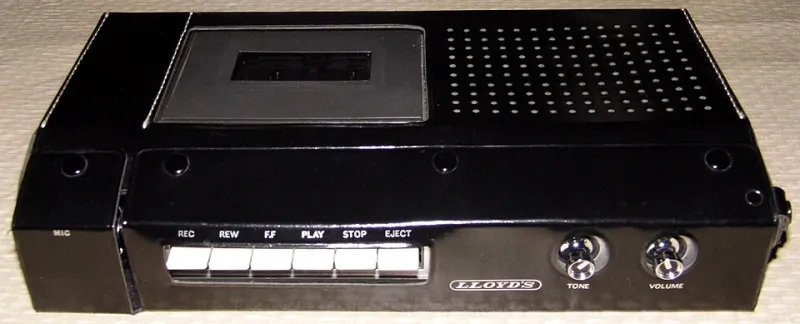
Old answering-machine tapes and family recordings are fragile, overlooked archives—and the UK's move to digital landlines makes their survival urgent. What does it mean to preserve the sound of someone's voice, and how should we listen back?

Names in Ink: The Quiet Chronicle of an Address Book
Comment & Opinion

Names in Ink: The Quiet Chronicle of an Address Book

An address book is one of the most honest personal archives we keep: not because it is tidy, but because it is not. Crossings-out, old postcodes and private abbreviations record friendship, work and moving house in a way that a contacts app seldom does. This essay considers what the book remembers, and how to keep those stories before it is thrown away.

The Unposed Archive: Finding a Social History in the Edges of Family Snapshots
Archive Practice

The Unposed Archive: Finding a Social History in the Edges of Family Snapshots

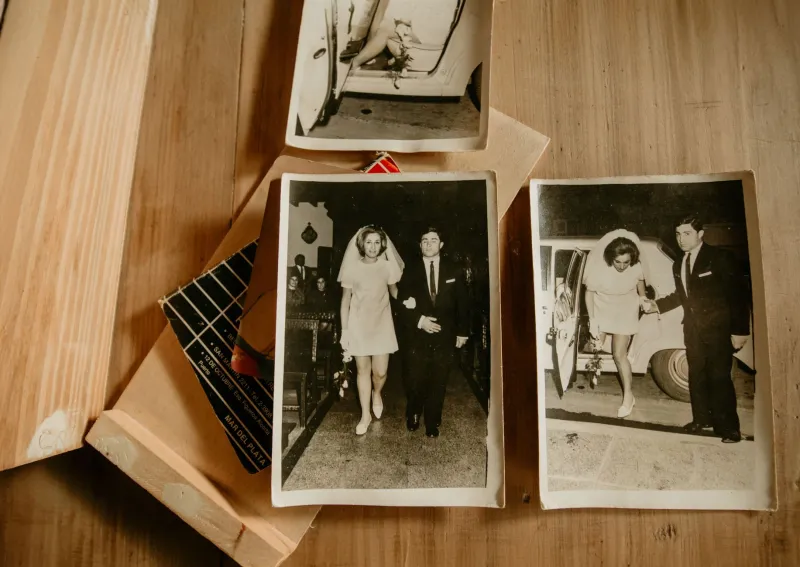
Family photographs are seldom only portraits. Behind the faces sit wallpaper, crockery, fences and shopfronts that quietly record how ordinary life was furnished and arranged. This guide proposes an edge-first way of reading such images, and a simple annotation method for 2026.

The Door, the Ledger and the Feed: Why a Personal Website Still Deserves a Reader in 2026
Comment & Opinion

The Door, the Ledger and the Feed: Why a Personal Website Still Deserves a Reader in 2026

A personal-name website is not a shop window or a feed. It is a door left open on purpose. In 2026, the Ladislaus Lob archive offers a useful case study in what slow, human-scaled publishing still owes UK readers, and where its tagline sets a standard worth meeting.

Six Small Disciplines for a Family Archive: Paper, Damp and the Digital Copy
Archive Practice

Six Small Disciplines for a Family Archive: Paper, Damp and the Digital Copy

Family papers rarely fail in dramatic ways. They decline through damp, disorder and good intentions that never quite become habits. These six practical disciplines — drawn from the archival spirit of the Ladislaus Lob site — are a modest guide for UK households trying to keep letters, photographs and documents readable for the next generation.