A Small Column of Numbers: What the Hall Drawer's Meter Cards Remember
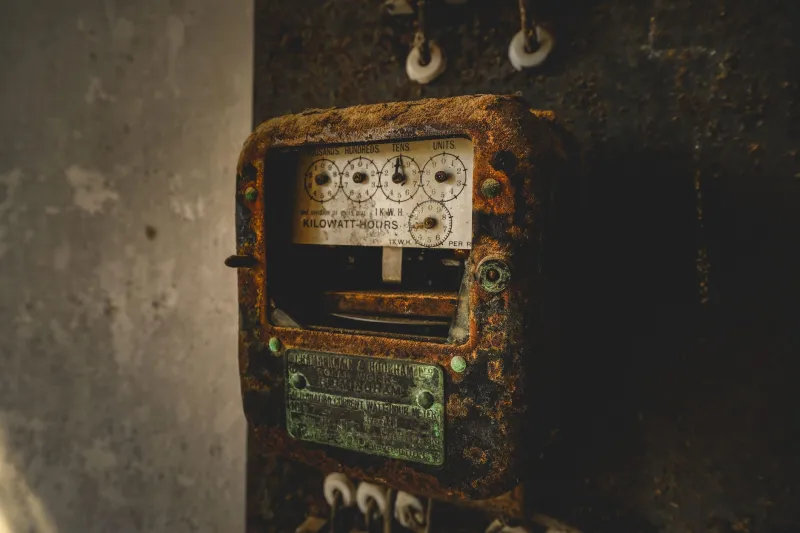
The hall drawer is rarely the first place one looks for a household record. It is a place for the practical things that resist tidy categorisation: spare batteries, a torch, a roll of fuse wire, the instruction booklet for a boiler that has long since been replaced. In among them, if the house has kept faith with paper, will be a small bundle of meter-reading cards. They are not diaries. They do not announce themselves as evidence. Yet a run of them, kept over several winters, can tell a reader a good deal about how a household lived with energy when energy was something one read off a dial and wrote down in pencil.
The cards are usually unremarkable in appearance: a few columns for date, reading and perhaps a meter serial number, printed by a gas or electricity board and issued in a pad. Their power lies in repetition. A single card is an administrative artefact. A sequence of them, spanning years, becomes a register — not of feelings or events, but of attention paid. Someone had to open the cupboard, read the dial, find a pencil and write the figures down. That small discipline, repeated, leaves a trace that is more intimate than it first appears.
The Card as a Form of Attention
Meter cards ask for very little, and that is part of their interest. They do not invite commentary. They record a date and a number, and then they wait. The reader who comes to them later must supply the context: the cold snap in February, the fortnight when the house was empty, the arrival of a new appliance, the winter when someone was at home all day. The card itself is silent on these matters, but its figures are not entirely mute. A column of readings is a sequence of consequences, and consequences have causes.
What makes the card a useful archival object is its ordinariness. It sits at the boundary between the household and the utility, between private habit and public infrastructure. It is a form completed at home but designed by an institution. In that sense it is a small negotiated document: the household supplies the reading, the supplier supplies the form, and the two meet in a column of six digits.
Estimated Figures and the Honest Gap
Many cards carry the word 'estimated' beside a figure, or a pencilled note such as 'actual' or 'check'. These annotations are among the most revealing marks on the page. An estimate is a formal admission of absence: the supplier has calculated a likely figure because no one has read the meter. The household may have been away, or busy, or simply unable to get to the cupboard. The estimate is not a lie; it is a placeholder, and the later correction is a small reckoning.
For a reader interested in household budgeting, these gaps matter. They show that energy was not always a real-time quantity. It arrived as a bill, was reconciled later, and could produce a modest shock when the estimate and the actual reading diverged. The pencilled note 'actual' beside a figure is therefore more than a clerical detail. It marks the moment when a guess was replaced by a fact, and when the household's account with the supplier was adjusted accordingly.
Changes of Hand
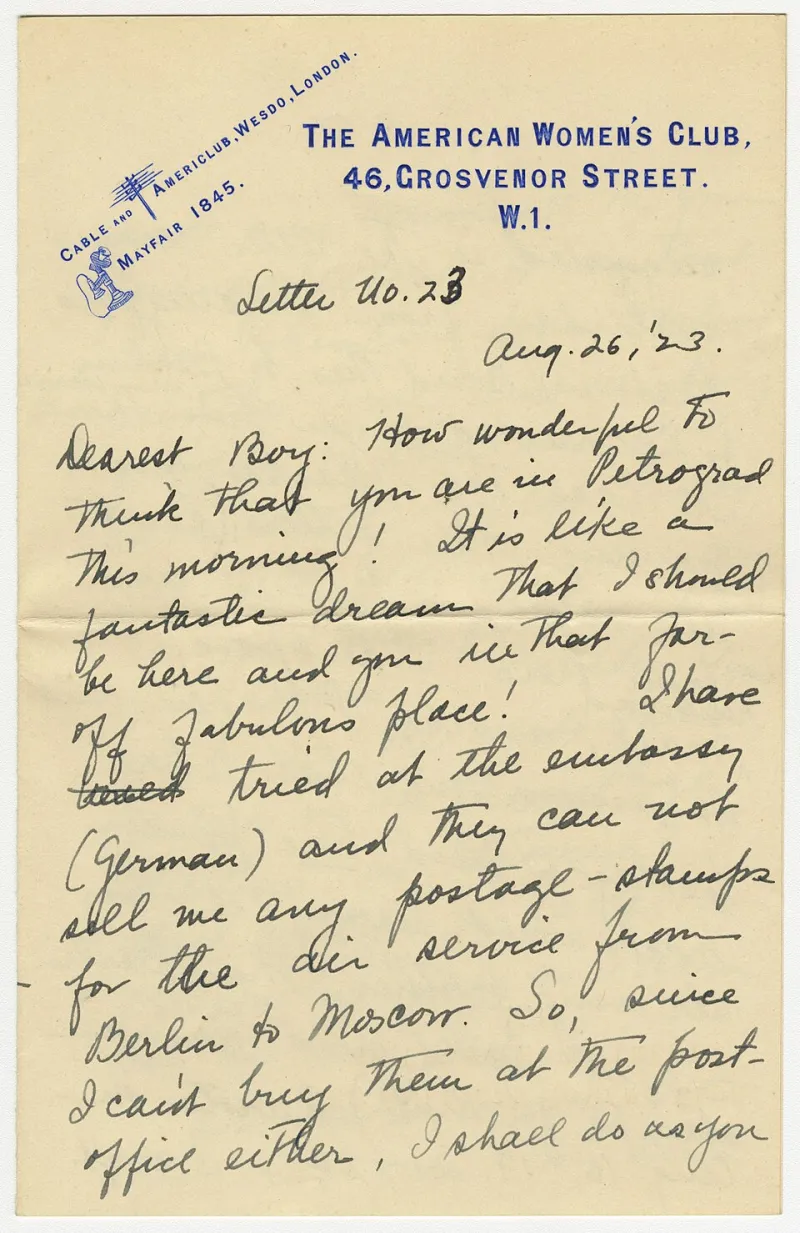
A run of cards also records changes of hand. The first entries may be in a firm, sloping script; later ones in a smaller, more hurried hand; later still in the rounder letters of a child asked to help. Sometimes the same hand persists for years, and then stops. Sometimes a new hand appears without explanation. The card does not say who wrote what, but the variation is legible enough to suggest that meter reading was a shared or shifting responsibility.
These changes are not decorative. They are evidence of how a household organised itself. A card completed in two different hands may indicate a division of labour, or a period of illness, or a grown child taking on a task. The archive does not resolve these questions, but it preserves the traces that make them worth asking.
Six Digits and the Shape of a Winter
Read in sequence, the readings trace the shape of a winter. Consumption rises as the days shorten, steadies in the new year, and begins to fall as spring arrives. A cold spell can be inferred from a steeper than usual increase between two dates. A period of absence can be inferred from a flattening. But the card should not be over-read. A high reading may reflect comfort, illness, a new baby, or a household working from home. A low reading may reflect thrift, absence, or hardship. The figures record consumption, not motive.
That caution is especially relevant in 2026, when energy use is discussed with greater precision than ever. Smart meters and apps now produce granular data, often by the half-hour. The old card belongs to a coarser order of knowledge. It is a monthly or quarterly snapshot, handwritten and approximate. Its value lies precisely in that coarseness: it shows what a household could know about itself at the time, and what it chose to record.
What the Drawer Does Not Say
The meter card is a fragment, not a verdict. It does not record the tariff, the standing charge, the weather, or the conversation that took place when the bill arrived. It does not say whether the household was warm or cold, careful or careless. To read it well, one needs other documents: bills, receipts, perhaps a diary. The card is a spine, not a whole body.
Yet even on its own it has a quiet authority. It is a record kept by ordinary people in ordinary circumstances, and it has survived. In an archive, such documents are often overlooked in favour of letters and photographs. But the meter card has its own kind of eloquence. It says: someone was here, someone was counting, and someone thought it worth writing down.
As 2026 draws to a close, the hall drawer may seem an unlikely place to look for a history of UK winters. But the small column of numbers is still there, waiting to be read. It will not tell you everything. It will tell you enough.