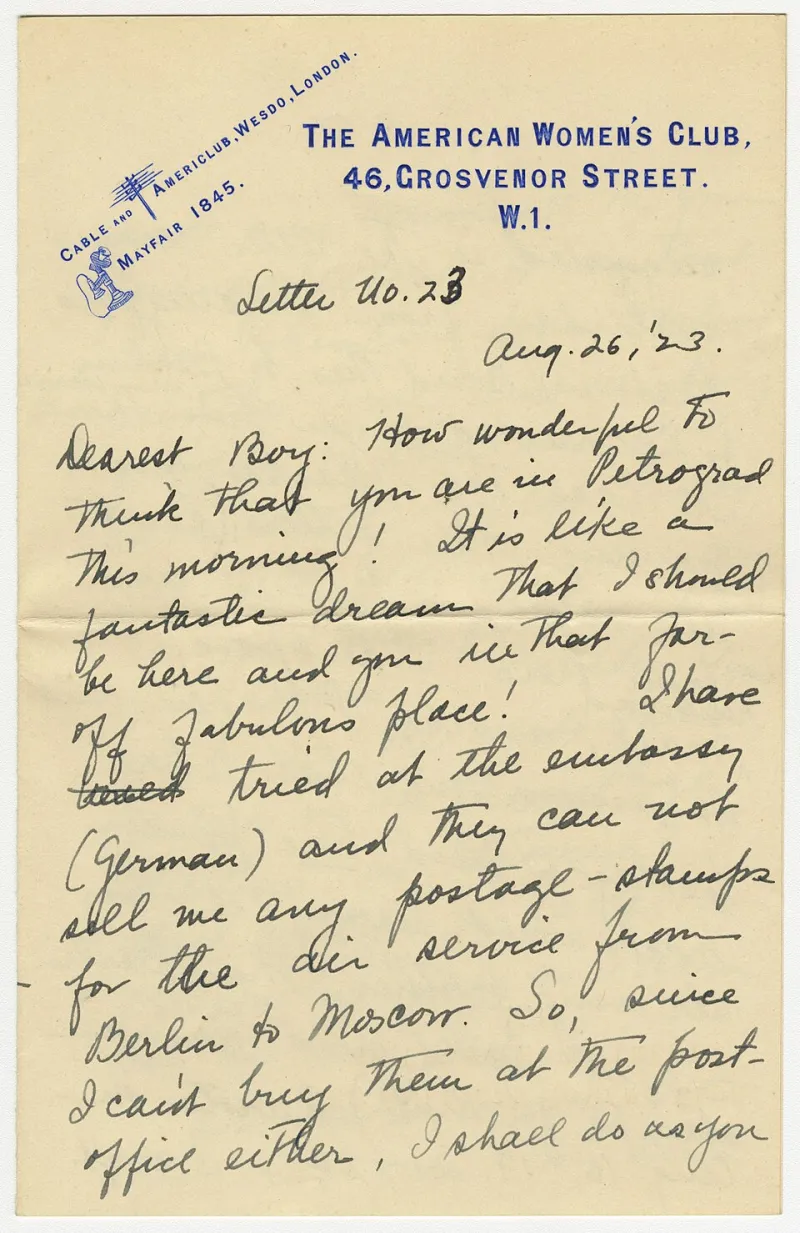
The Wrong Extension: A Landline Notebook and the Street It Remembered
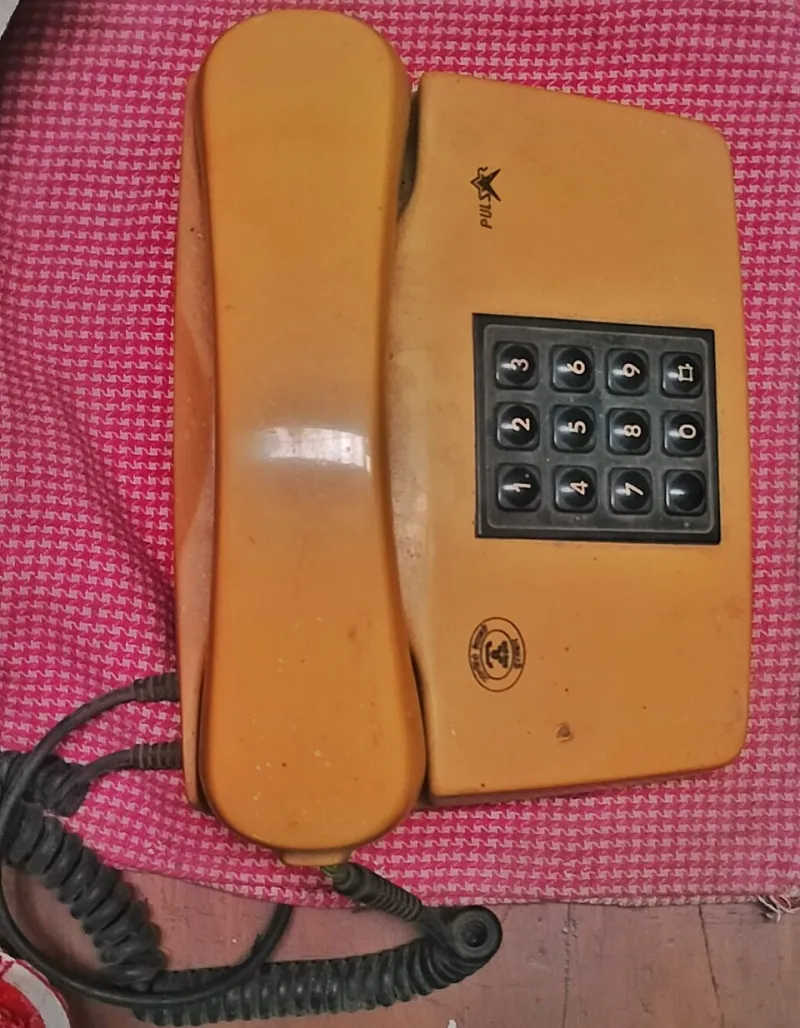
Photo: পাপৰি বৰা, CC BY-SA 4.0, via Wikimedia Commons
For a number of years a slim exercise book lay beside the telephone in the hall. It was not a diary, nor a directory, but a place for messages: who had rung, when, and whether a reply was owed. The columns were ruled by hand. The entries were made in biro, sometimes hurriedly, sometimes with the careful unnecessary neatness of someone who had been taught to keep accounts. Most of the book is unremarkable. A few pages, however, record wrong numbers, and those pages have proved more difficult to discard than the rest.
The book dates from a period when the landline was still the household's principal instrument, though already in retreat. By 2026 the fixed telephone is no longer the default in many homes; it is an accessory, a broadband arrangement, or a courtesy line kept for an elderly relative. The notebook belongs to an earlier arrangement of domestic life, when a single number stood for a household and a caller might reasonably expect a person, not a voicemail menu, to answer. That arrangement is now historical enough to be examined.
A Page for Calls That Went Astray
The wrong-number entries were not intended as a collection. They were recorded because a call had to be accounted for, or because the caller's mistake was amusing, or because the same stranger had rung twice and might ring again. The columns soon acquired a second use. Under 'caller' I noted not only the name given but the name expected: the person the caller had hoped to reach. Under 'remarks' I noted the nature of the error. In this way the notebook began to record two things at once: the calls that arrived, and the network of names and numbers that callers still carried in their heads.
The errors fall into a few plain types. There were misremembered extensions, often from callers trying to reach a business that had moved or contracted. A switchboard number had survived in an old diary, but the extension no longer existed. There were calls for tradespeople who had retired: a plumber whose number had been reassigned, a chimney sweep whose advertisement in a parish magazine had outlived him. There were family names that no longer matched the directory, usually because a house had changed hands but the caller had not updated an address book. And there were simple slips of the finger: one digit transposed, one area code confused, one number copied from a letter in a hand that made 3 look like 8.
The humour in these entries is modest and mostly unintentional. A caller asked, with some urgency, for 'Mrs Hargreaves about the hedge'. Mrs Hargreaves had not lived at this number for years, and the hedge, one presumed, had long since been cut or removed. Another caller was convinced he had reached a dentist and began to describe a broken molar before the mistake was established. A third rang to complain about a delivery and remained sceptical when told that no delivery firm had ever operated from this address. The notebook records these exchanges without commentary. Their comedy lies in the mismatch between the caller's certainty and the quiet domestic reality of the telephone's location.
The Etiquette of the Mistake
What the pages also preserve is a small social ritual. A wrong number is a brief, involuntary encounter between strangers, and it has its own manners. The receiver says that the caller has the wrong number; the caller apologises; the receiver says that it is no trouble. Sometimes the exchange is curt, sometimes it is amused. Occasionally it becomes a conversation. One caller, having discovered the error, asked whether the house still had the same view of the churchyard, and was told that it did. The notebook records the exchange in a single line, but the line implies a whole register of local knowledge.
This etiquette is not trivial. It is evidence of a shared infrastructure: a telephone system in which numbers were attached to places and households, and in which a stranger might reach another stranger by accident. The mobile telephone has not abolished the wrong number, but it has changed it. A misdialled mobile call is often silent, or ends with a text message, or is filtered by a display of the caller's identity. The landline wrong number had a voice, a name, and a short negotiation. It left a trace in the notebook.
What the Landline Held Together
The serious point is not that the past was friendlier. It is that the landline supported a particular kind of local record. Printed directories, telephone boxes, business cards and parish magazines all assumed that a number could be looked up and that a name would correspond to a place. When a number was reassigned, the old calls continued for a while, like letters forwarded to an address that no longer knew the recipient. The notebook catches that lag. It shows which names were still in circulation after the directory had moved on.
In 2026, with many households mobile-only and much calling carried over broadband, the lag is shorter and less visible. Numbers are portable, identities are displayed, and directories are online. The wrong number still happens, but it is less likely to be written down. The archive of the ordinary telephone is thin because calls were not kept. Letters can be bundled and labelled; calls vanish unless someone makes a note. The notebook beside the hall telephone is therefore a minor example of a larger archival problem: the ordinary communications of a street are often recorded only by accident, and only for as long as someone keeps the paper.
A Small Discipline
For anyone keeping a family archive, the wrong-number pages suggest a modest discipline. Keep the notebook, but do not treat it as a directory. Record the date, the time, the stated purpose and the type of error; omit full telephone numbers and the surnames of people who cannot consent. The point is not to identify callers but to preserve the pattern: which institutions had vanished, which trades were still being sought, which names still travelled by telephone. A page headed 'misdialled calls' is not sentimental. It is a record of demand.
The exercise book will not answer large historical questions. It will not explain the retreat of the landline or the rise of the mobile telephone. But it does something that a directory cannot: it shows the system in use, with its mistakes intact. The wrong number, written down, becomes a right archive of a sort. It remembers the street as a set of numbers that people were still trying to reach.